
Why Your Copied Key Fob Stopped Working (And How to Fix It)
You arrive home after a long day, ready to relax. You reach for your key fob, tap it against the reader, and wait for the familiar beep and click of the door unlocking. But this time, nothing happens. You try again. Still nothing. You are locked out.
This is a frustrating scenario that many people face. As electronic access becomes the standard for apartments and condos, the demand for key fob duplication has skyrocketed. Having a spare is incredibly convenient for family members, dog walkers, or just as a backup. However, it can be confusing when a fob that worked perfectly yesterday suddenly fails today.
Understanding why this happens can save you time, money, and the headache of being stranded outside your building. This guide explains the mechanics behind the technology, why copies fail, and how to ensure you get a reliable key fob copy every time.
How Key Fob Copying Works
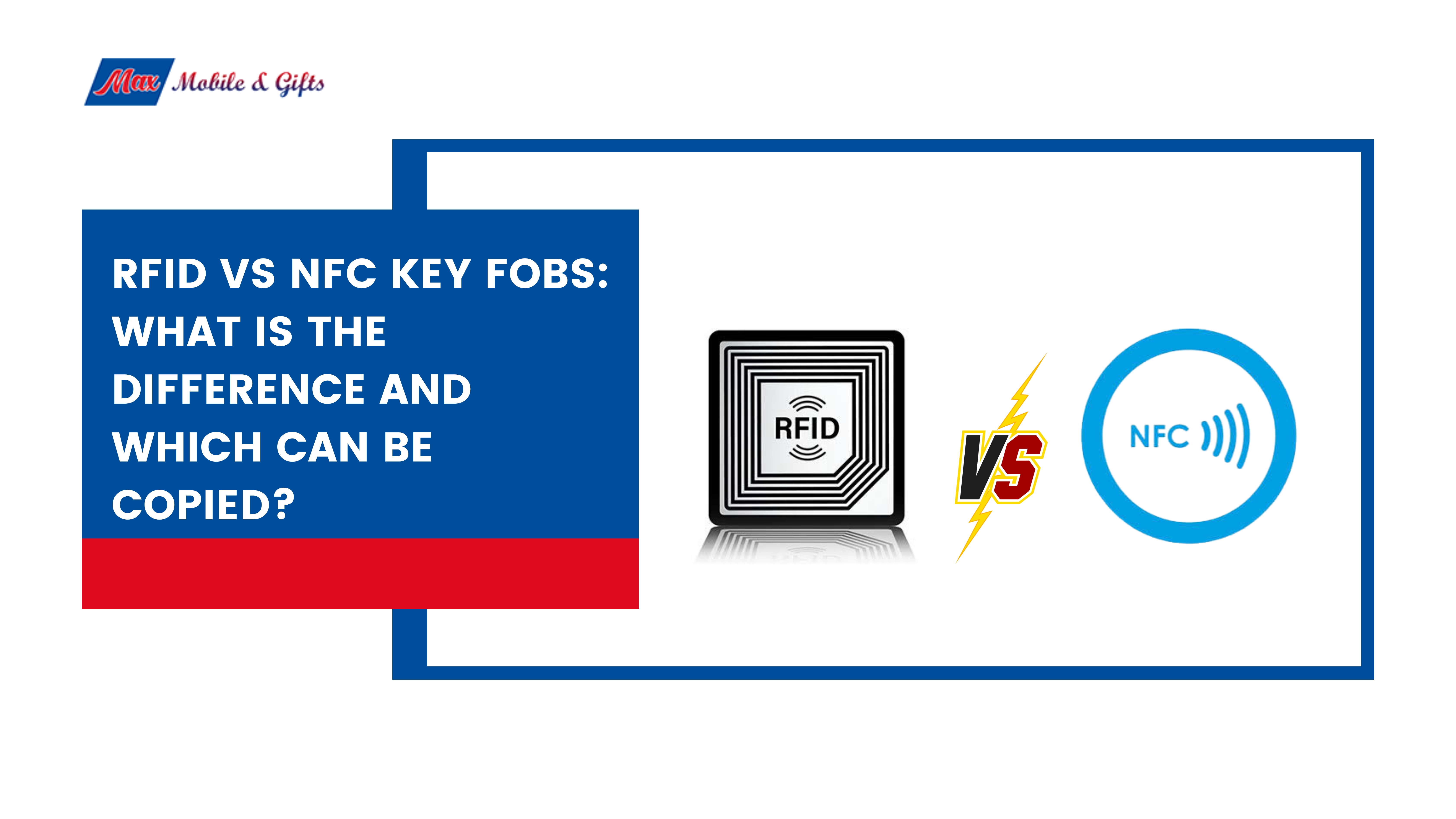
To understand why a fob fails, it helps to know how it functions. Most key fobs use Radio Frequency Identification (RFID) technology. Inside the plastic shell is a small chip and an antenna coil. When you hold the fob near a reader, the reader sends out a radio signal that powers up the chip in your fob. The fob then transmits a unique code back to the reader to grant access.
The process of duplicating these devices involves a specialized key fob copier. This machine scans the original fob to read its unique serial number and data. Once the machine has the data, it writes that exact same code onto a blank fob.
Ideally, the building’s system cannot tell the difference between the original and the copy because the data is identical. However, the process requires precision. If the signal is not captured perfectly, or if the blank fob is not the exact same format as the original, the copy might work intermittently or not at all.
Common Reasons a Key Fob Stops Working After Copying
It is annoying when a device fails, but there is usually a logical explanation. If you recently paid to copy key fob data to a new device and it has stopped functioning, one of the following issues is likely the culprit.
Incomplete or Incorrect Data Transfer
During the copying process, the writer must transfer every bit of data to the new chip. If the original fob was moved slightly during the scan, or if the copying device had a glitch, the data might be corrupted. The copy might have enough data to fool the reader once or twice, but eventually, the system rejects it.
Incompatible Key Fob Frequency
Not all fobs speak the same language. They operate on different frequencies (commonly 125kHz or 13.56MHz). If a fob key copy is made using a blank that operates on a slightly different frequency range, the building reader may struggle to pick up the signal.
Encrypted or Protected Key Fobs
High-security buildings often use encrypted fobs. These devices have a “rolling code” feature. This means the code changes every time you use the fob. If you copy the current code, the copy will work once. However, as soon as the original or the copy is used, the system rolls to a new code, rendering the duplicate useless because it cannot update itself like the original.
Low-Quality Blank Key Fobs
The quality of the blank fob matters. Cheap, generic fobs often have weak antennas or poor soldering. They might work if you hold them at a very specific angle, but they lack the range and reliability of a high-quality unit.
Faulty or Outdated Copying Equipment
Technology moves fast. If the duplication was done using an old machine, it might not be able to handle newer, more sophisticated fob protocols.
Building and System Restrictions
Sometimes the issue is not with the fob itself, but with the building’s security system. Property management companies in large cities like Vancouver are constantly updating their security.
- Anti-Passback Features: Some systems have a feature that prevents the same code from being used twice in a row to enter the facility (to prevent people from passing a fob back to a friend). If you and a partner try to enter using the original and the copy back-to-back, the system might flag the code.
- Deactivation of Clones: sophisticated systems can detect clones. If the reader senses two fobs with the exact same ID entering at different locations or times that do not make sense, it may automatically lock that ID out of the system. This usually kills both the original and the copy.
- System Updates: If the building upgrades its firmware, older clone chips might no longer be recognized, even if the original official fob continues to work.
If you are looking for a condo key fob copy, it is vital to know if your building uses these high-security protocols.
Physical & Handling Issues
We often treat our keys roughly. We toss them on counters, drop them on pavement, and shove them into crowded bags. Physical damage is a leading cause of failure.
- Internal Chip Misalignment: A hard drop can break the connection between the chip and the antenna coil inside the plastic casing.
- Moisture Damage: Most standard fobs are water-resistant, not waterproof. If you inadvertently put your fob through the wash or drop it in a puddle, the internal circuitry can short out.
- Heat Exposure: Leaving a fob on a hot car dashboard can warp the casing or damage the chip.
How to Avoid Key Fob Issues After Copying
The best way to fix a problem is to prevent it from happening in the first place. Here is how you can ensure your duplicate works for the long haul.
- Choose a Professional Service: Avoid automated kiosks. A professional technician can verify that the copy was successful and explain any potential compatibility issues.
- Ensure Compatibility: Ask the service provider to scan your original first to determine if it is a standard fob or a high-security encrypted one.
- Test Immediately: If possible, test the new fob as soon as you get home. Do not wait until you have an emergency to find out it doesn’t work.
- Use High-Quality Materials: Ensure the shop uses durable, waterproof blanks.
If you are looking for a key fob copy Vancouver service that understands these nuances, reliability should be your top priority.
Can a Non-Working Copied Key Fob Be Fixed?
If your fob has stopped working, you have a few options.
- Re-writing the Code: If the problem was a bad data transfer, a professional can often simply “rewrite” the correct code onto the same blank fob. This usually solves the problem if the hardware is still good.
- Replacement: If the chip inside the blank is damaged or the antenna is broken, the physical unit must be replaced.
- Diagnostics: Before you spend money on a new copy, bring both the non-working copy and the original to a shop. They can scan both to see if they match. If the scanner cannot read the copy at all, the chip is dead.
When to Visit a Professional Key Fob Copy Service
While it might be tempting to try DIY writers bought online, this often leads to more frustration. Key fobs are more complex than they look.
You should visit a professional if:
- Your building is brand new (likely uses high security).
- You have tried a kiosk and the key failed.
- You need a specific type of fob (like a wristband or sticker).
Professional tools used by established shops have higher power and better decryption capabilities than consumer-grade gadgets. Plus, dealing with a local business means you have somewhere to go if the product fails.
Why Professional Key Fob Copying Matters
Accuracy is everything. A professional service ensures that the frequency, bit rate, and format are exact matches. They also perform a “verify” step after writing to ensure the data is locked in.
At Max Mobile and Gifts, we understand the specific needs of our local customers. We are the best place for professional phone and iPhone repair services in Vancouver, Canada, but our expertise extends far beyond screens. We specialize in precise fob duplication to ensure you are never locked out.
We also offer a wide selection of accessories and services, including:
- Cell Phone repair
- Fob copy and Key cutting
- Passport & PR photo services
- Mobile accessories
- Watch battery replacement
- Luggage, hip hop jewelry, perfume, and cologne
Solving Your Access Problems
Losing access to your home is stressful, but it doesn’t have to be a permanent problem. By understanding why fobs fail, whether it is technical interference, physical damage, or poor duplication, you can take the right steps to fix it. Always opt for high-quality duplication services to minimize the risk of failure. If you need a reliable key fob copy Vancouver solution, or help with watch batteries and mobile repairs, visit a professional who stands behind their work.